

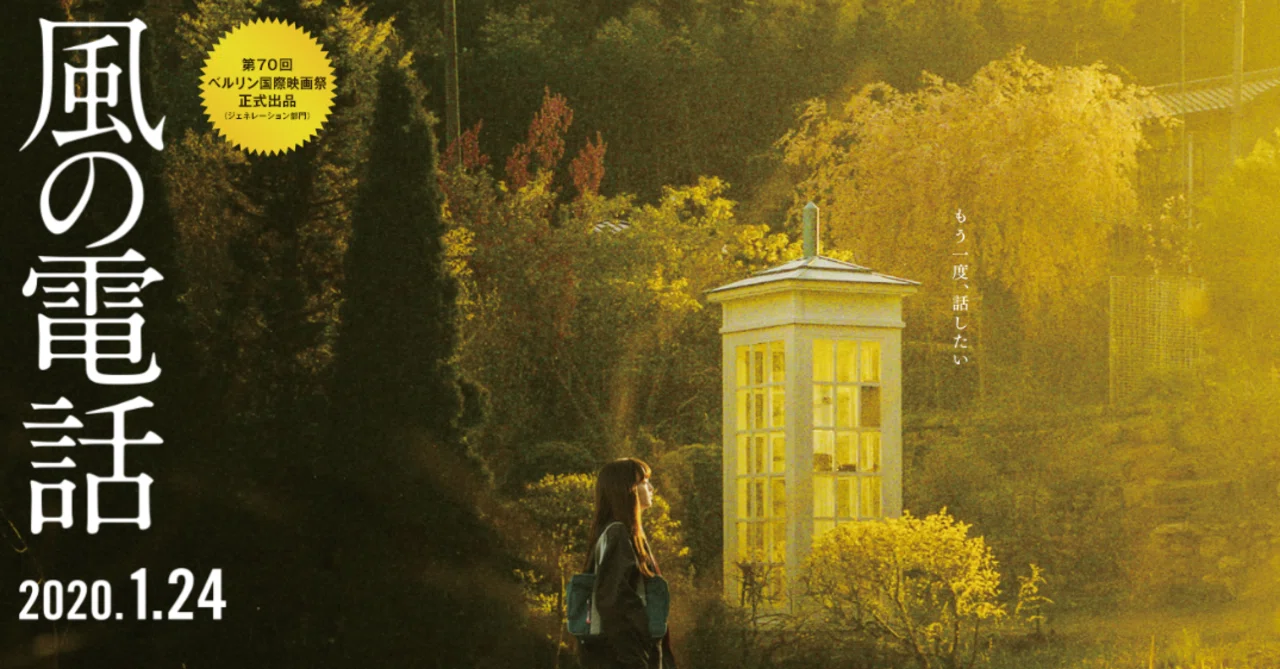
“The Wind Phone” – a film about the words we continue to carry
The long journey to a telephone receiver
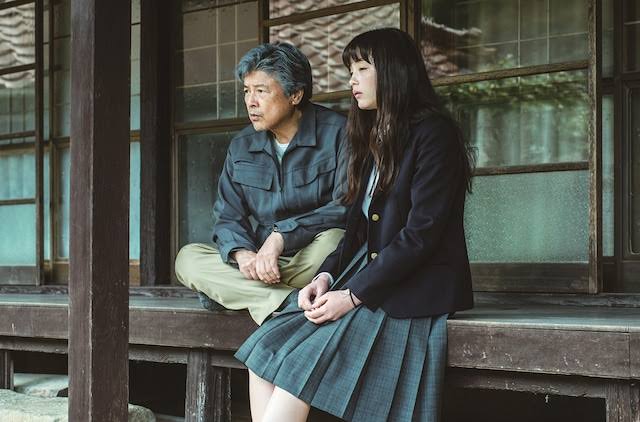
Haru is 17 years old. Eight years earlier, the 2011 earthquake and tsunami claimed the lives of her parents and brother in her hometown of Ōtsuchi. Since then, she has been living with her aunt in Hiroshima.
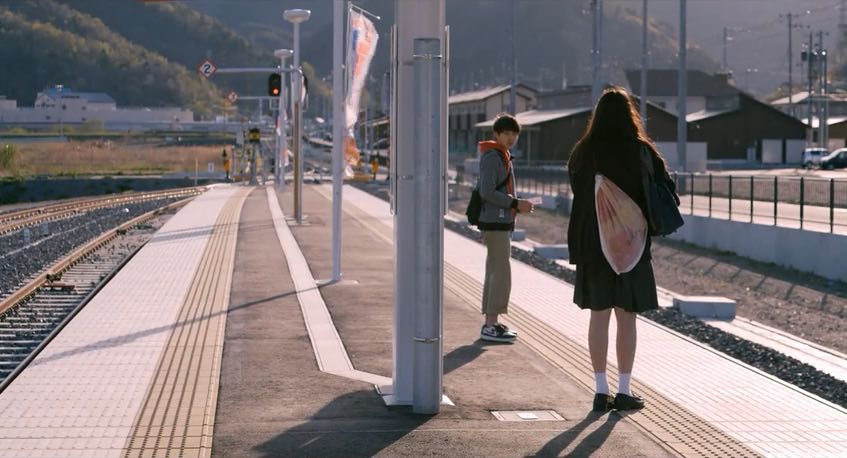
When her aunt is suddenly hospitalized, Haru sets off on a journey of more than 1,300 kilometers back to the place that was once her home.
This is a slow film. At times, a very slow one.
There are no major plot twists along the way. There are people. Encounters. Food. Travel. Silence. Other people's lives and other losses. Haru gradually draws closer to Ōtsuchi and to what she seems to have been running from all these years.
And at the end of her journey, a white phone booth in a garden awaits her.
The real Wind Phone.
A phone that is not connected to anything
Haru enters the booth and picks up the receiver.
The phone is not connected. It is the same Wind Phone created by Itaru Sasaki that, after the 2011 disaster, became a place visited by thousands of people. The film was shot around the real story and location in Ōtsuchi.
And that is precisely when it becomes clear why this film needed to take us on such a long journey.
Haru begins to speak.
To her father. To her mother. To her brother.
She gets no answer. The film doesn't try to turn the phone into something supernatural. There is no miracle.
And yet the scene feels neither absurd nor pointless.
Quite the opposite.
For the first time, the words Haru has carried for so long have somewhere to be spoken.

Speaking Your Heart
That's what stayed with me from the film.
Wind Phone doesn't change what happened. It doesn't bring anyone back. It doesn't promise that someone on the other end hears the words.
But it lets you do something tangible and painfully familiar: pick up the phone and start talking.
Because the person may be gone, but everything we wish we could say to them doesn't disappear.
Life goes on. New things happen. You want to tell them something. To complain. To share some good news. To say, “Remember?” Or simply, “I miss you.”
Sometimes you may have nothing to say at all.
Just holding the receiver may be enough.
And perhaps that's exactly why phones that aren't connected to anyone keep appearing around the world.
Not because people believe someone, somewhere, will pick up.
But because sometimes we need to speak our hearts to those who are no longer here.
The real phone behind the film
The Wind Phone was not invented for the movies.
The first such phone was created by Itaru Sasaki in Ōtsuchi after the death of someone close to him. After the earthquake and tsunami in 2011, the site was opened to others and gradually became known far beyond Japan.
It was this real-life Wind Phone that inspired Nobuhiro Suwa’s film.
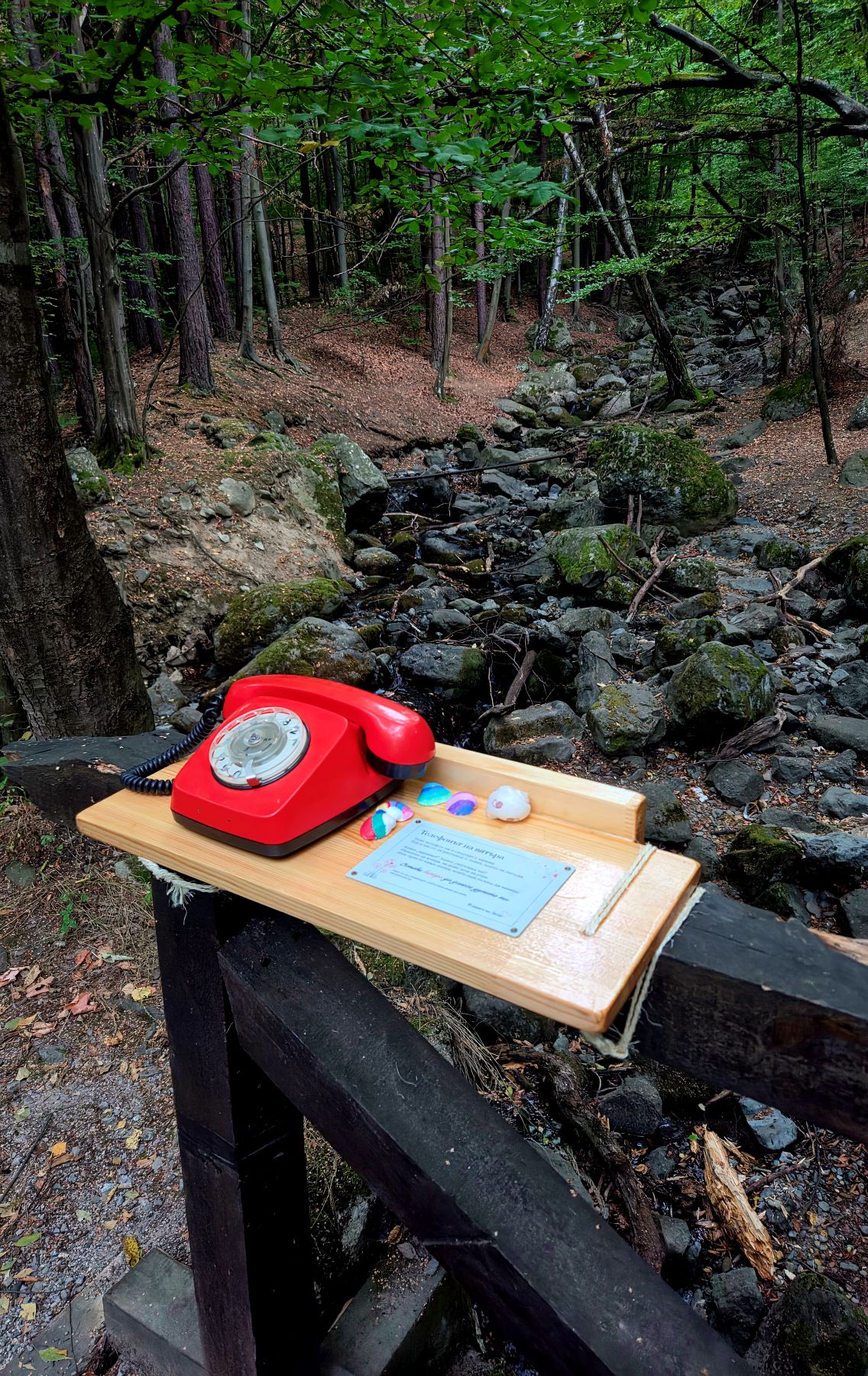
Today, different interpretations of it can be found in hundreds of places around the world — by the ocean, in forests and parks, in the mountains, in gardens, and even in a bookstore.
Different phones. Different people. Different stories.
But perhaps the same simple need:
If you could call one more time — what would you say?
 Bulgarian
 English